2.2 Introduction to the Undercurrents
Beneath every stage of the data engineering lifecycle run a set of cross-cutting concerns - the undercurrents. These practices shape how data systems are built, operated, and evolved.
2.2.1 Security
Security in data engineering centers on the principle of least privilege: give users or applications access to only the essential data and resources they need, and only for the duration required. Adopt a defensive mindset - be cautious with sensitive data and design every system with the assumption that attacks will happen.
2.2.2 Data Management
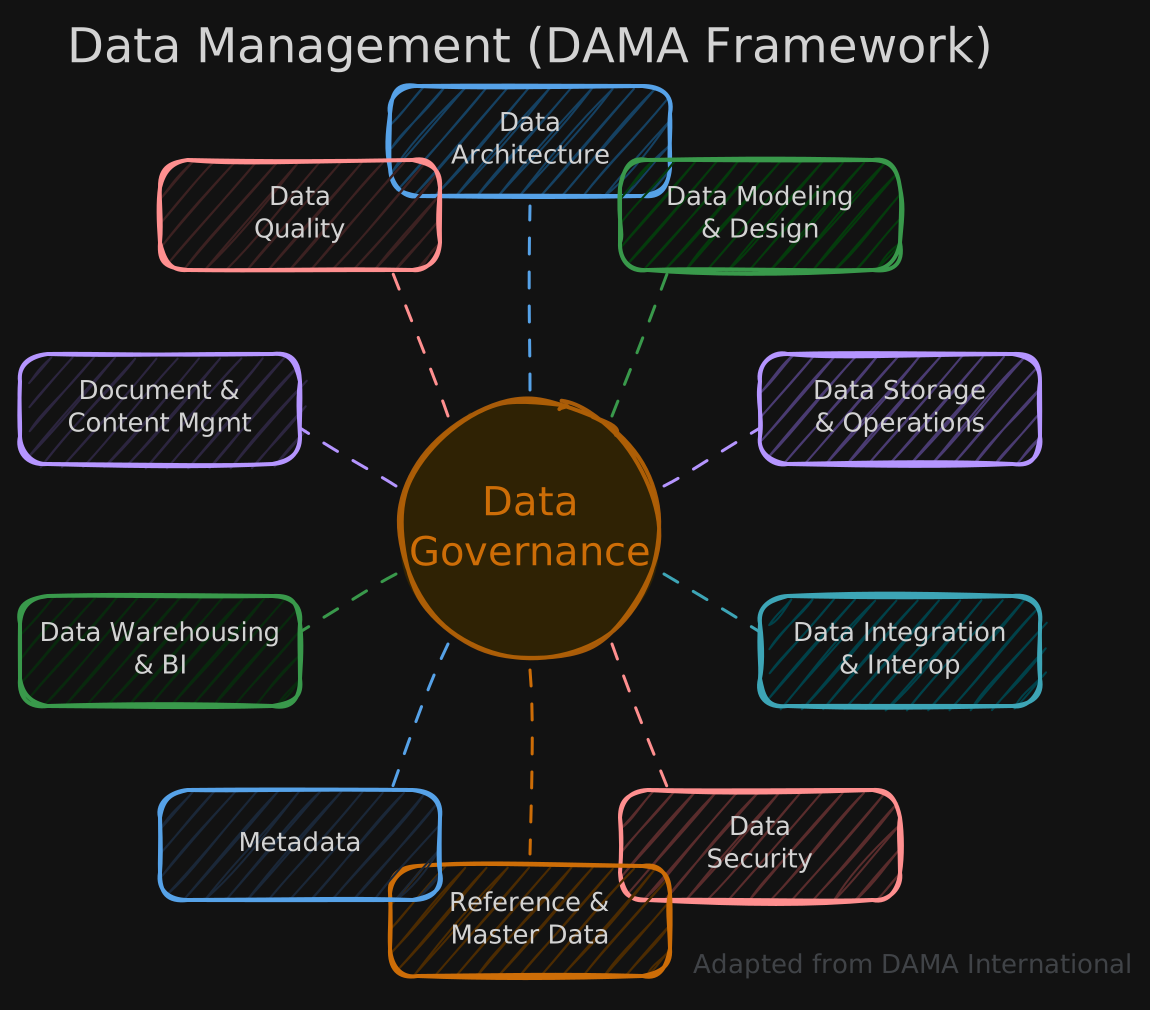
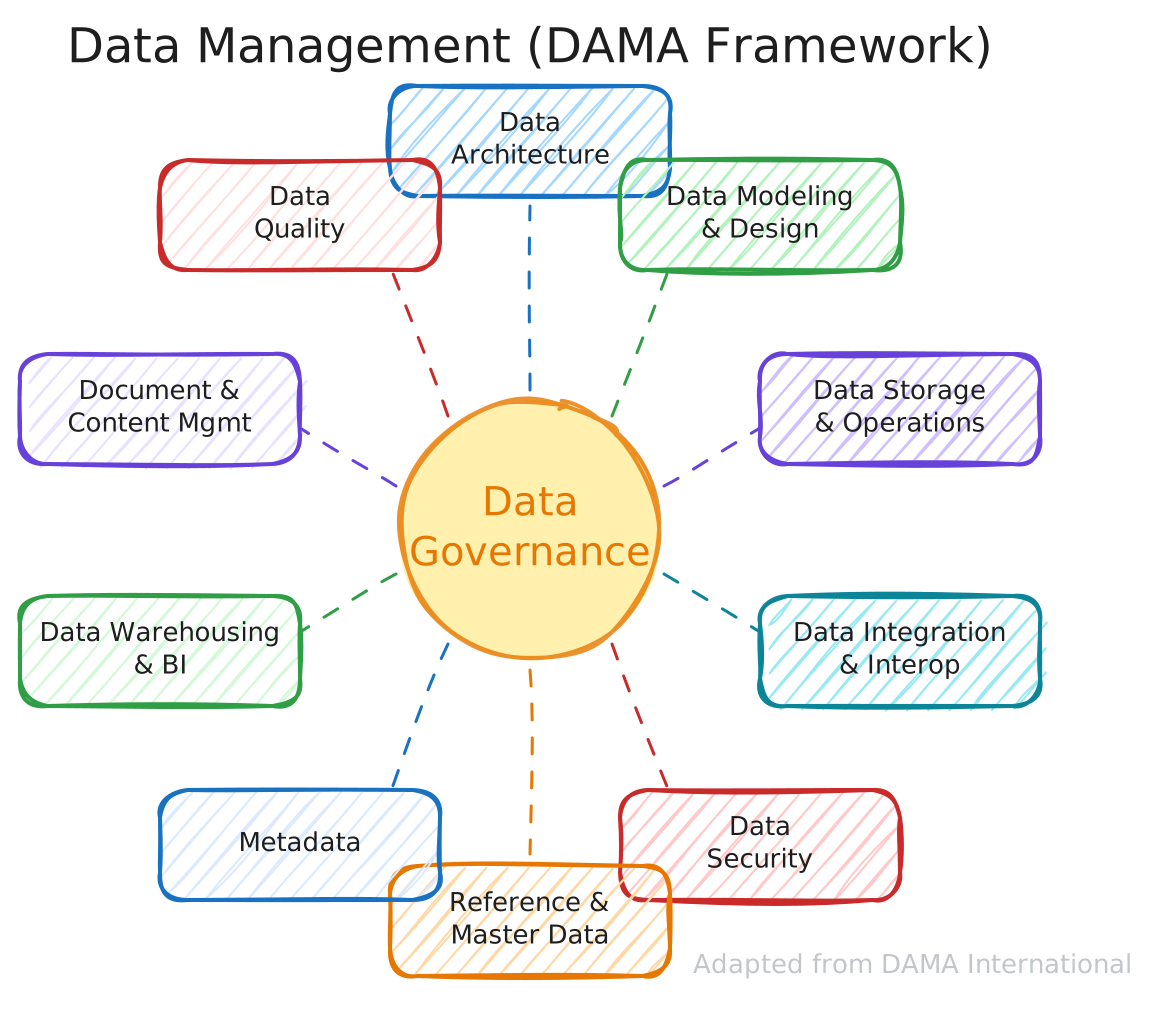
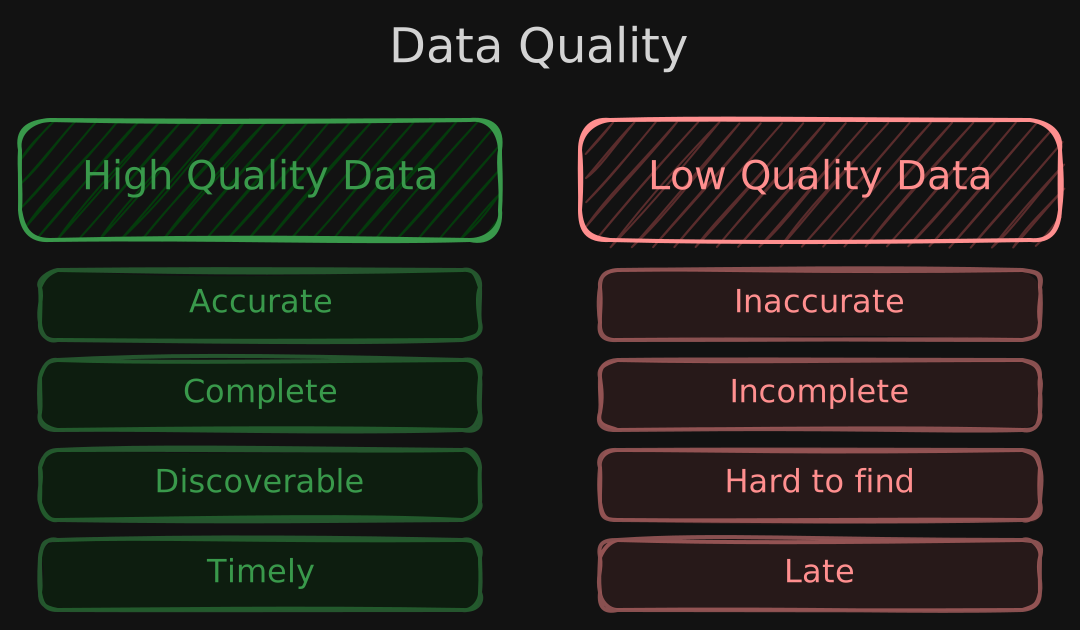
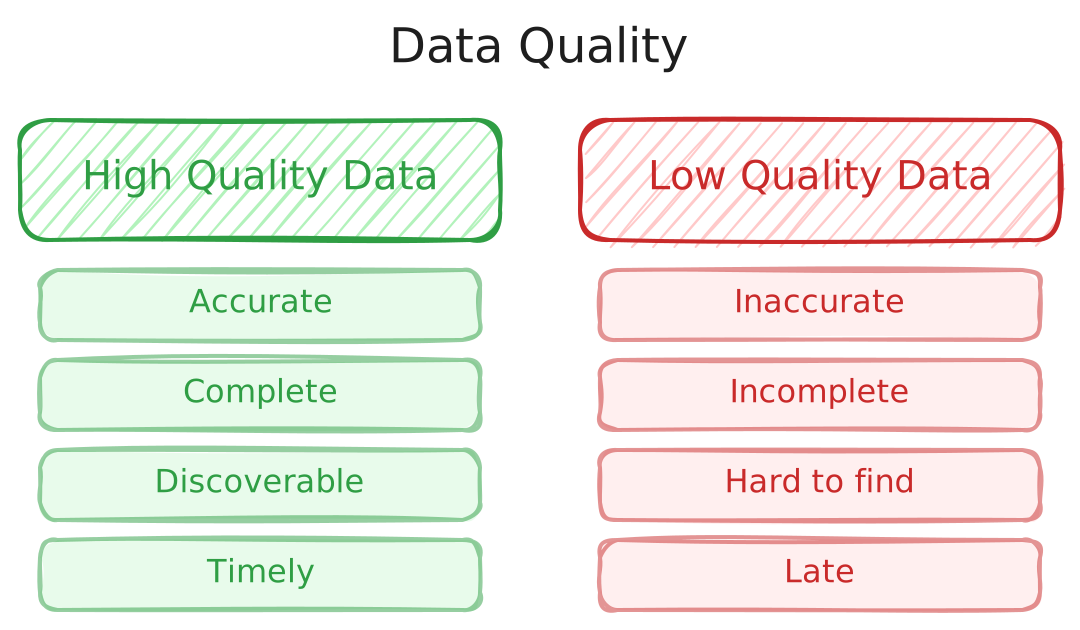
Data management is “the development, execution, and supervision of plans, programs, and practices that deliver, control, protect, and enhance the value of data and information assets throughout their life cycles.” At its core, data governance ensures the quality, integrity, security, and usability of the data an organization collects.
2.2.3 Data Architecture
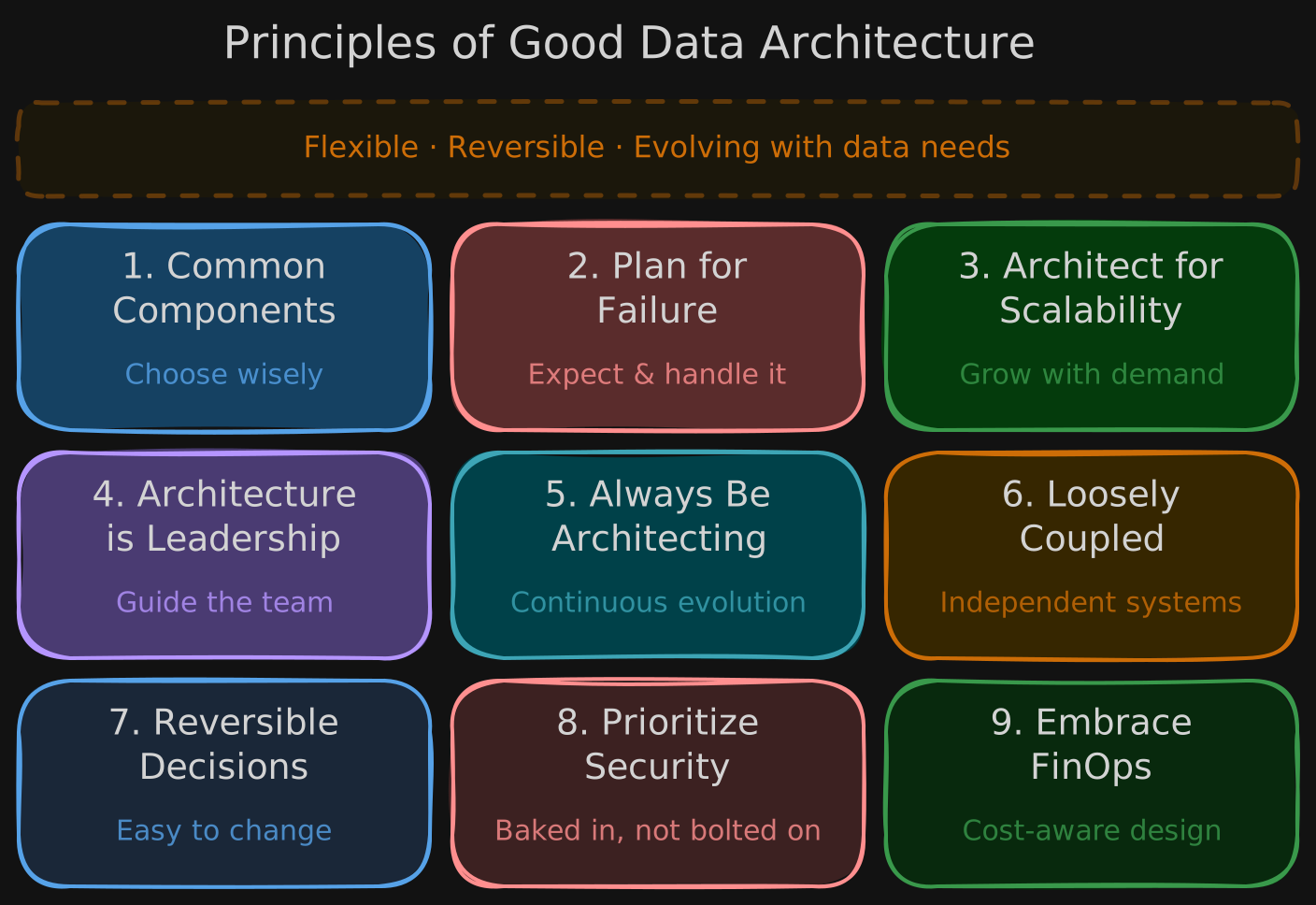
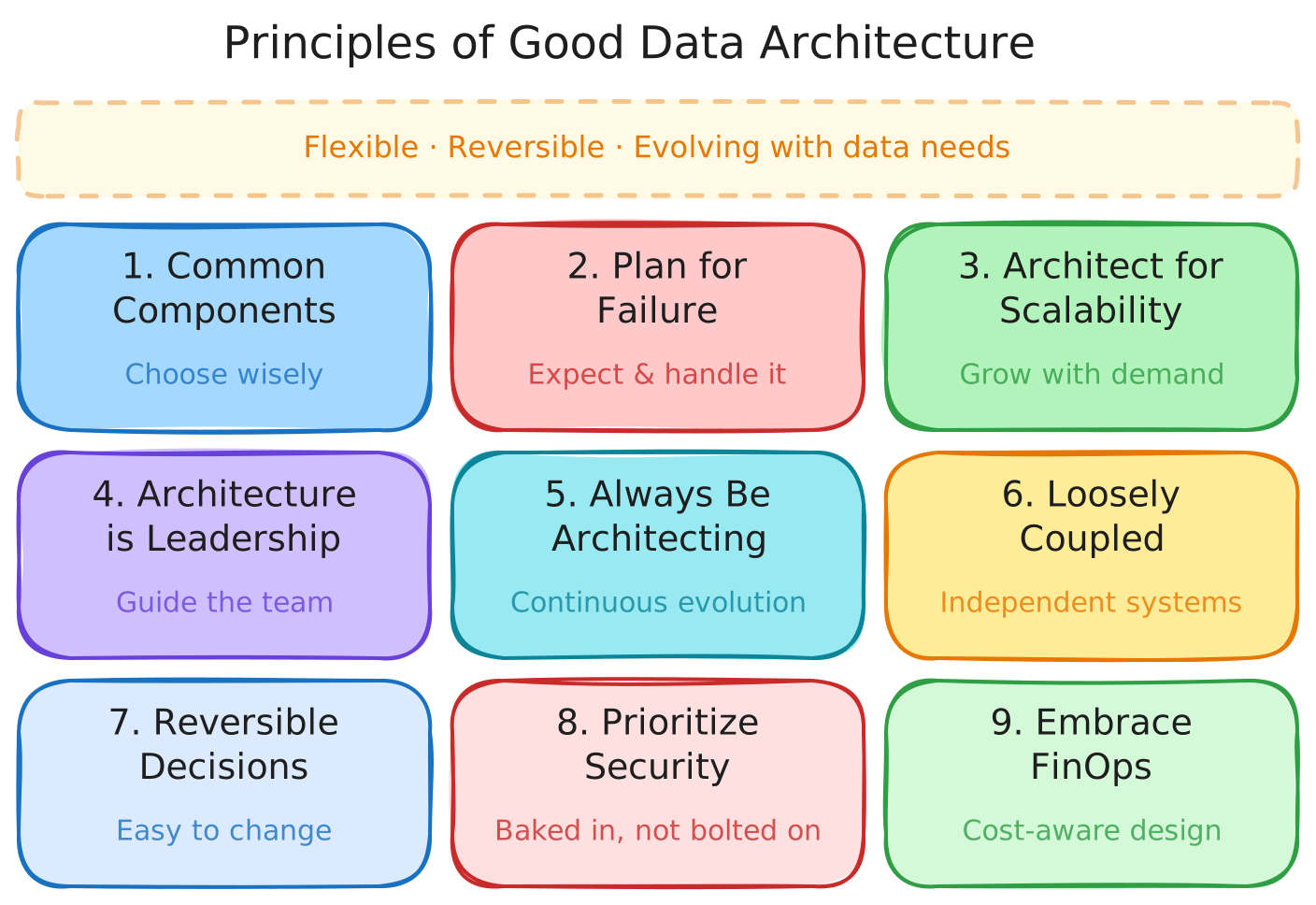
Data architecture is “the design of systems to support the evolving data needs of an enterprise, achieved by flexible and reversible decisions reached through a careful evaluation of trade-offs.”
On-premises environments make flexible, reversible decisions extremely difficult. Cloud platforms change this equation significantly.
Principles of Good Architecture:
2.2.4 DataOps
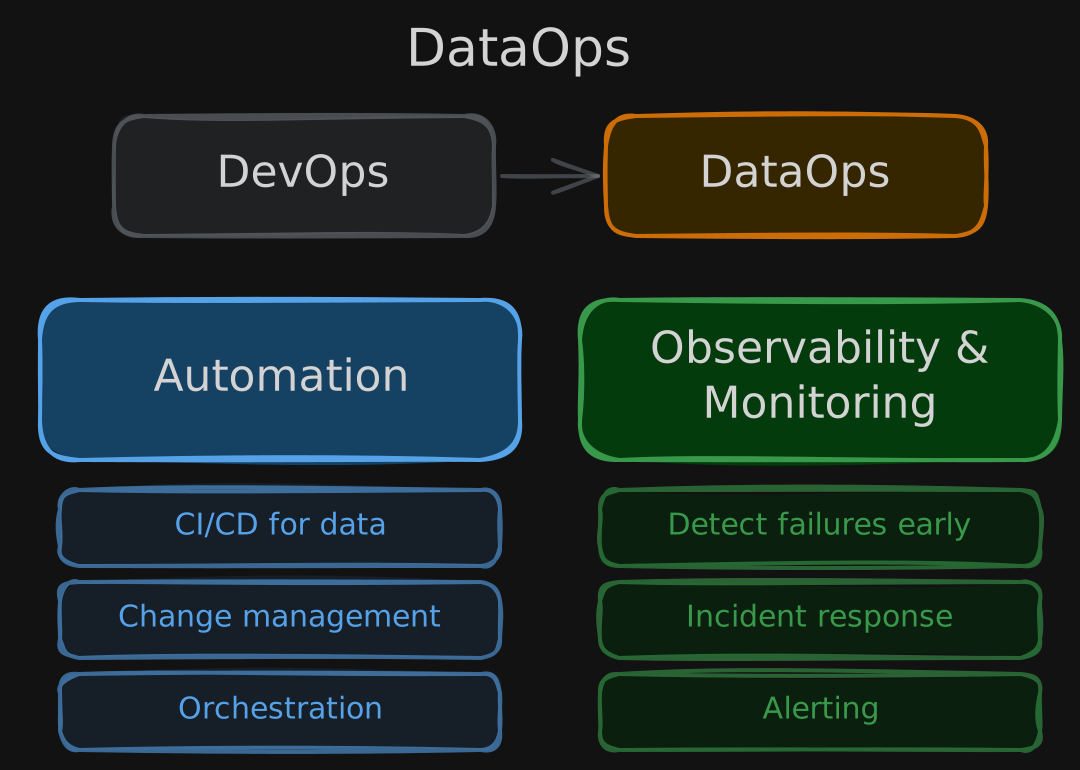
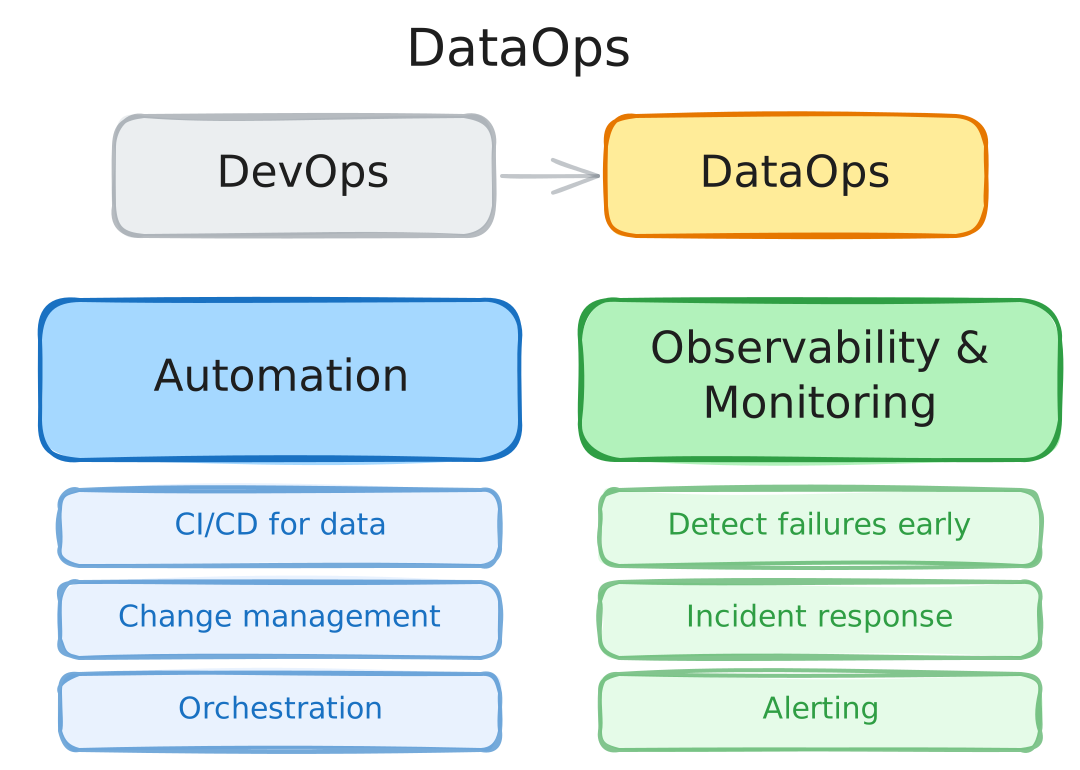
Just as DevOps improves the development process and quality of software products, DataOps aims to improve the development process and quality of data products.
DataOps is a set of cultural habits and practices built on communication, collaboration, continuous improvement, and rapid iteration. Its two main pillars are:
- Automation - in DevOps this means CI/CD; in DataOps it means automated change management across code, configuration, environments, and data pipelines, often powered by orchestration frameworks like
Apache Airflow - Observability and monitoring - everything fails eventually, so the goal is to detect failures before they reach downstream consumers (ML models, analytics dashboards, reports) and have a clear incident response process
2.2.5 Orchestration
Manually running individual tasks works for prototyping but is unsustainable in production. Orchestration frameworks coordinate the execution of pipeline steps automatically.
Scheduling
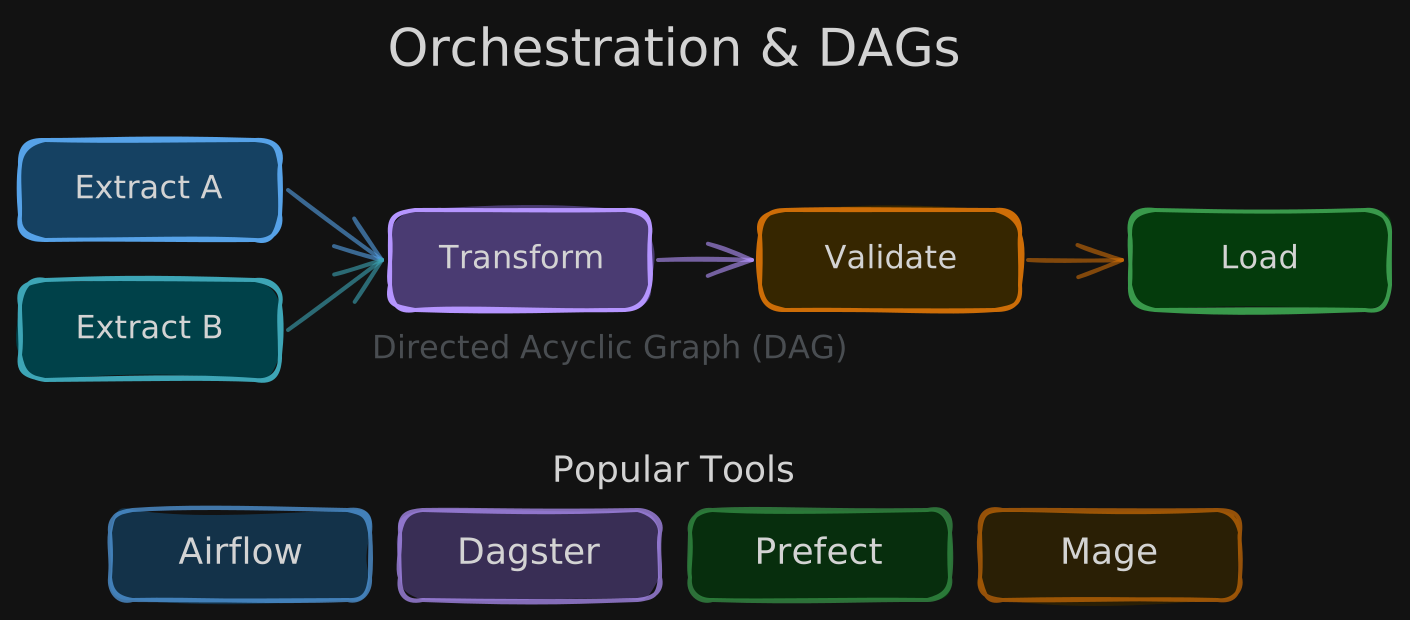
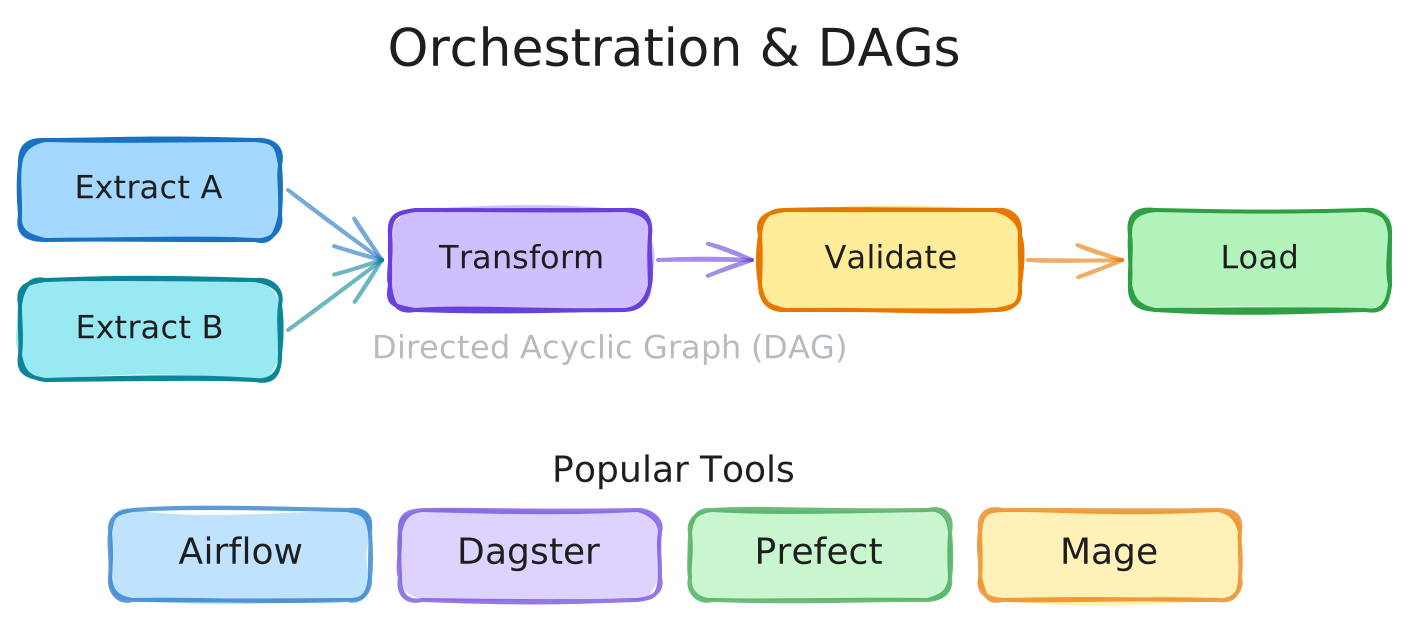
The most popular orchestration tools today include:
Apache Airflow(industry standard)DagsterPrefectMage

 Apache Airflow

 Dagster

 Prefect

 Mage
Mage
These frameworks model workflows as Directed Acyclic Graphs (DAGs) - directed (data flows one way), acyclic (no backward loops), and composed of nodes and edges. Tasks can be triggered by events, and monitoring or alerting is configured alongside them.
2.2.6 Software Engineering
Software engineering - the design, development, deployment, and maintenance of applications - underpins everything a data engineer builds.
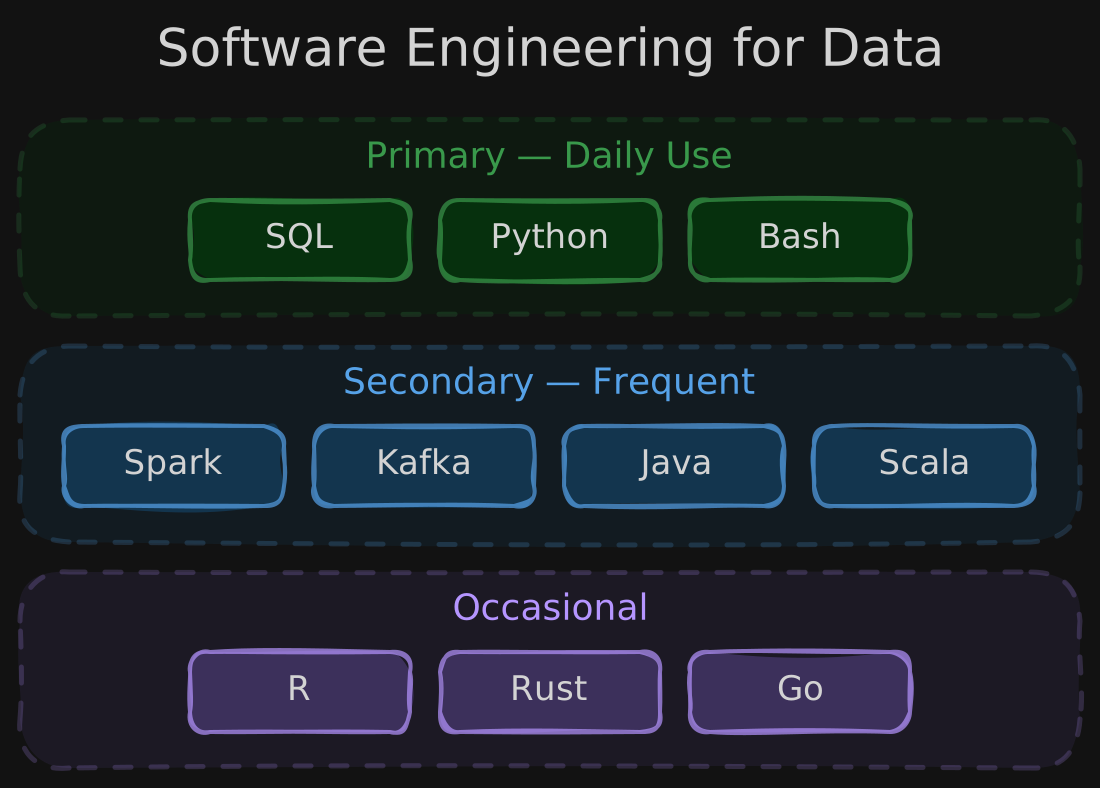
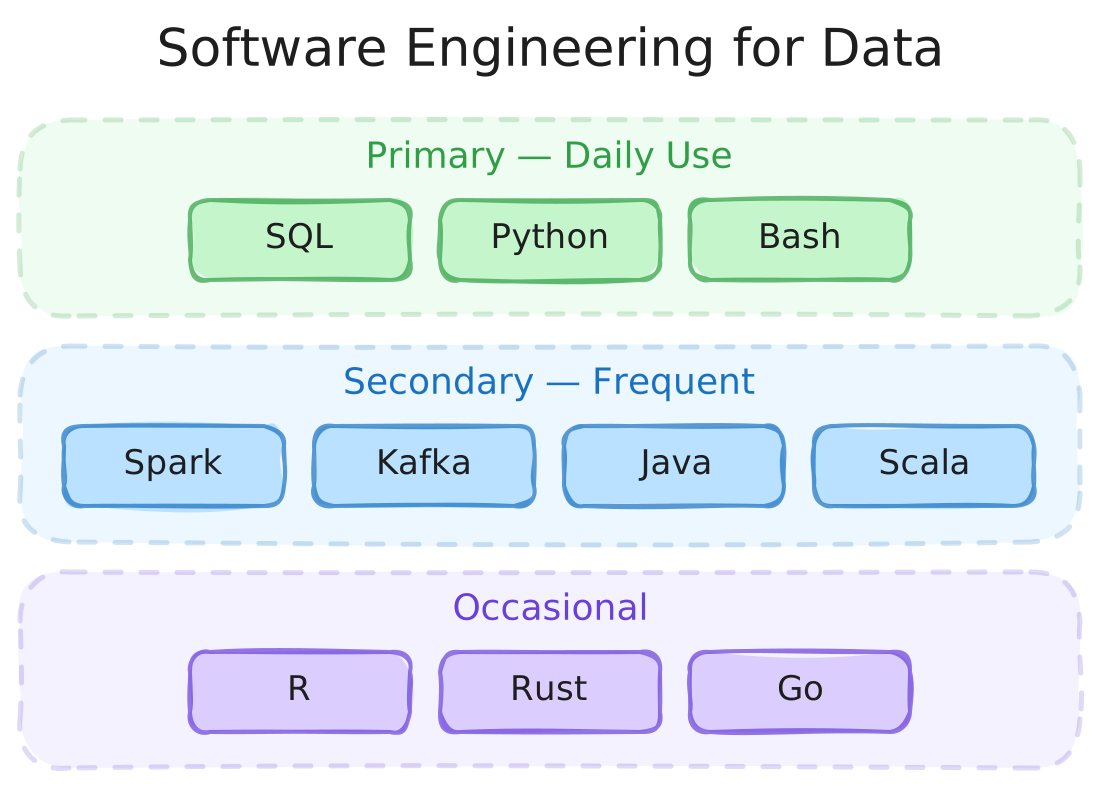
Common languages and frameworks span a wide range:
SQL,Apache Spark,KafkaPython,Java,Scala,Bash- Occasionally
R,Rust, andGo
In practice, the most common day-to-day tools are SQL, Python, and Bash.
 Python
 Java
Java

 Scala
Scala
 SQL
SQL