2.4 Change Data Capture
2.4.1 CDC Fundamentals
Change Data Capture (CDC) is a method for extracting each change event (insert, update, delete) that occurs in a database and making it available for downstream systems. It solves the fundamental problem of keeping storage systems in sync with source data.
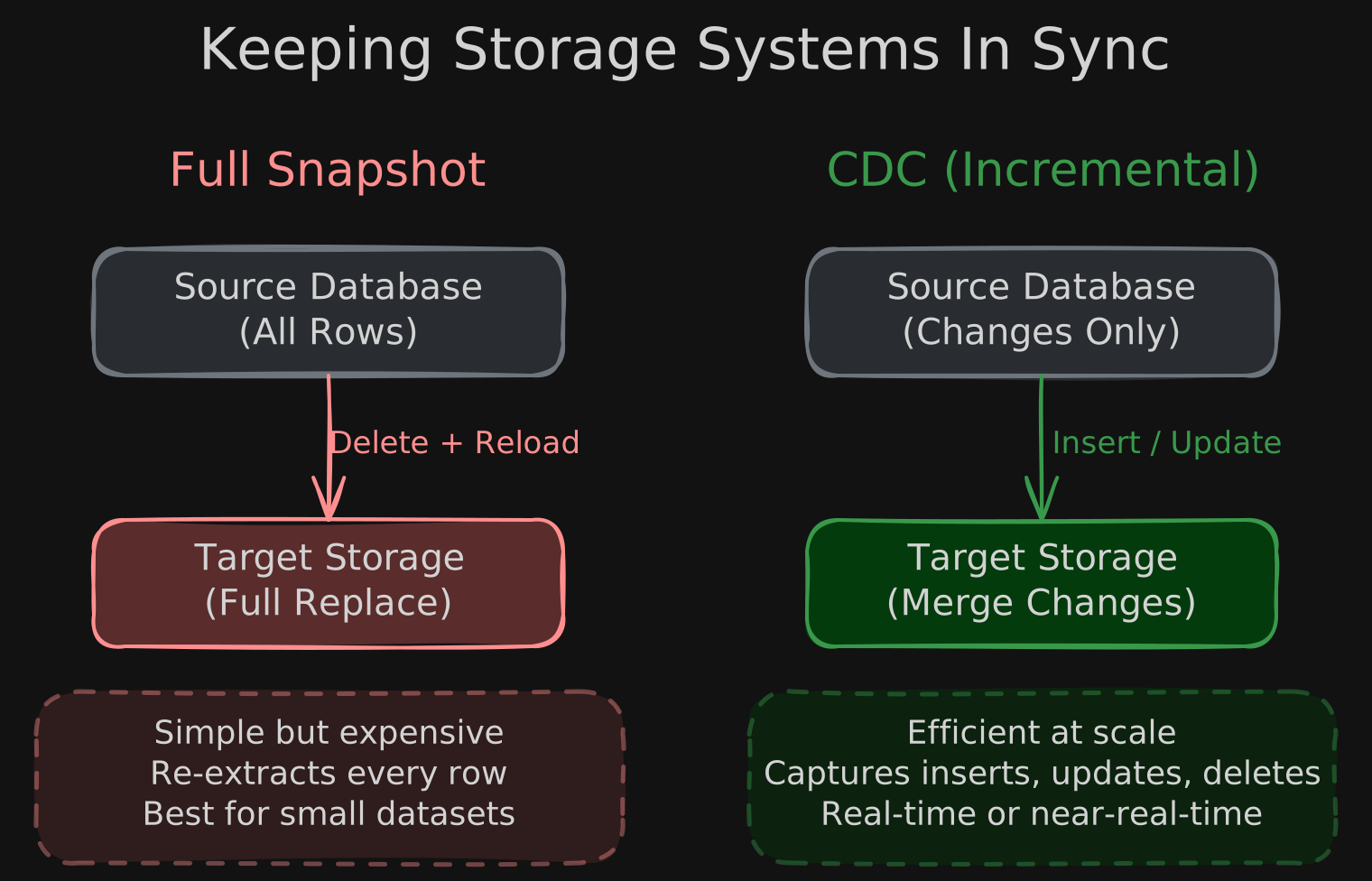
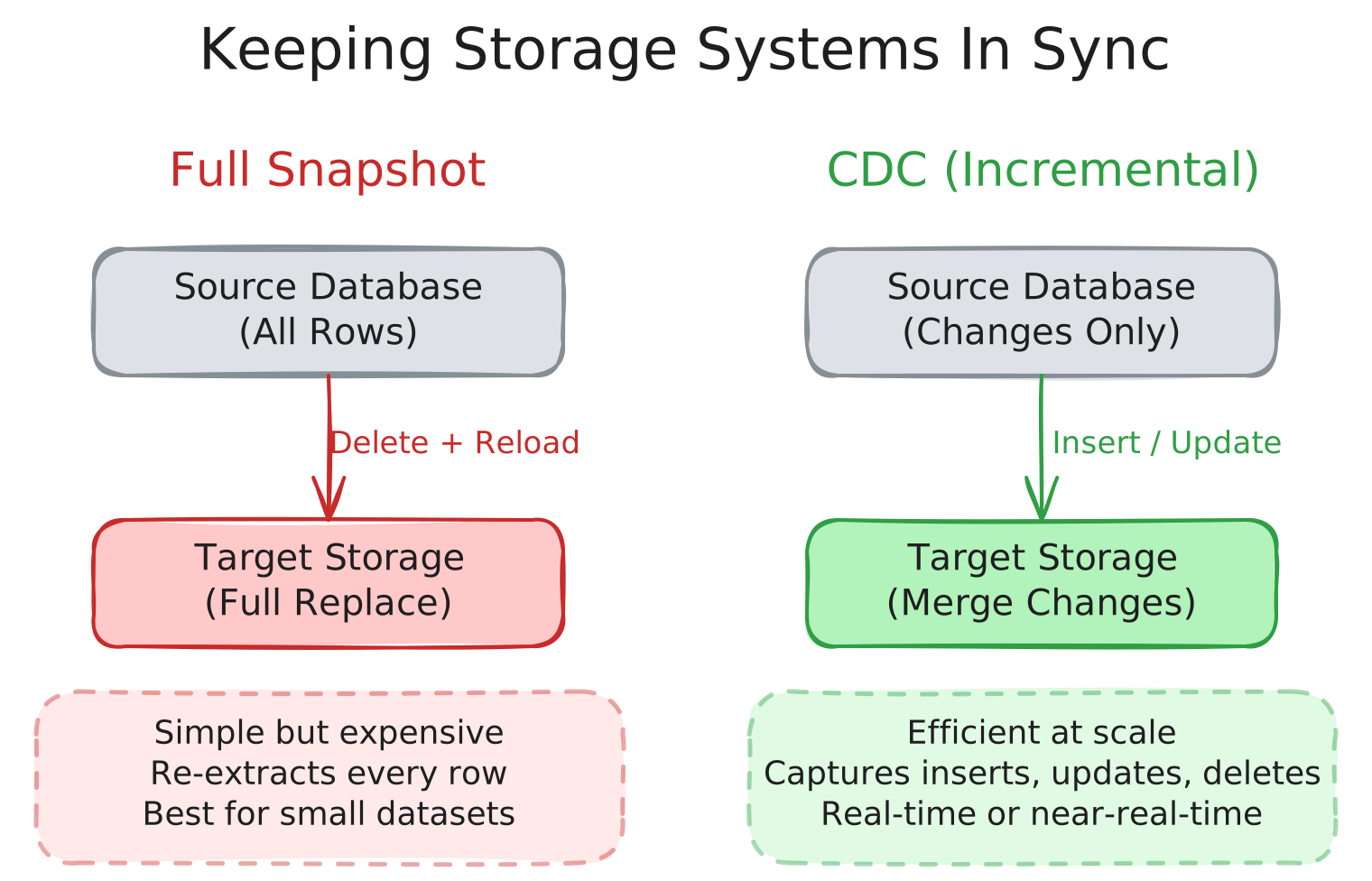
Ways to Keep Storage Systems In Sync
- Full Snapshot / Full Load: Delete all old data and re-extract every row from the source table. This ensures consistency but becomes processing- and memory-heavy at high volumes. Best suited for applications without frequent update requirements.
- Incremental (Differential) Load: Only load updates and changes since the last read, for example by using a
last_updated_atcolumn. This requires more complex logic but is far more efficient. When applied to databases, this process is called Change Data Capture (CDC).
Use Cases for CDC
- Database synchronization: Keep a data warehouse updated with changes from a production
PostgreSQLdatabase, or replicate on-premises databases to the cloud. - Audit trails: Capture historical changes for regulatory compliance, business insights, or auditing.
- Microservices communication: CDC captures changes from one service (e.g., purchases) and relays them to downstream services (e.g., shipment, customer notifications).
2.4.2 CDC Approaches and Implementation
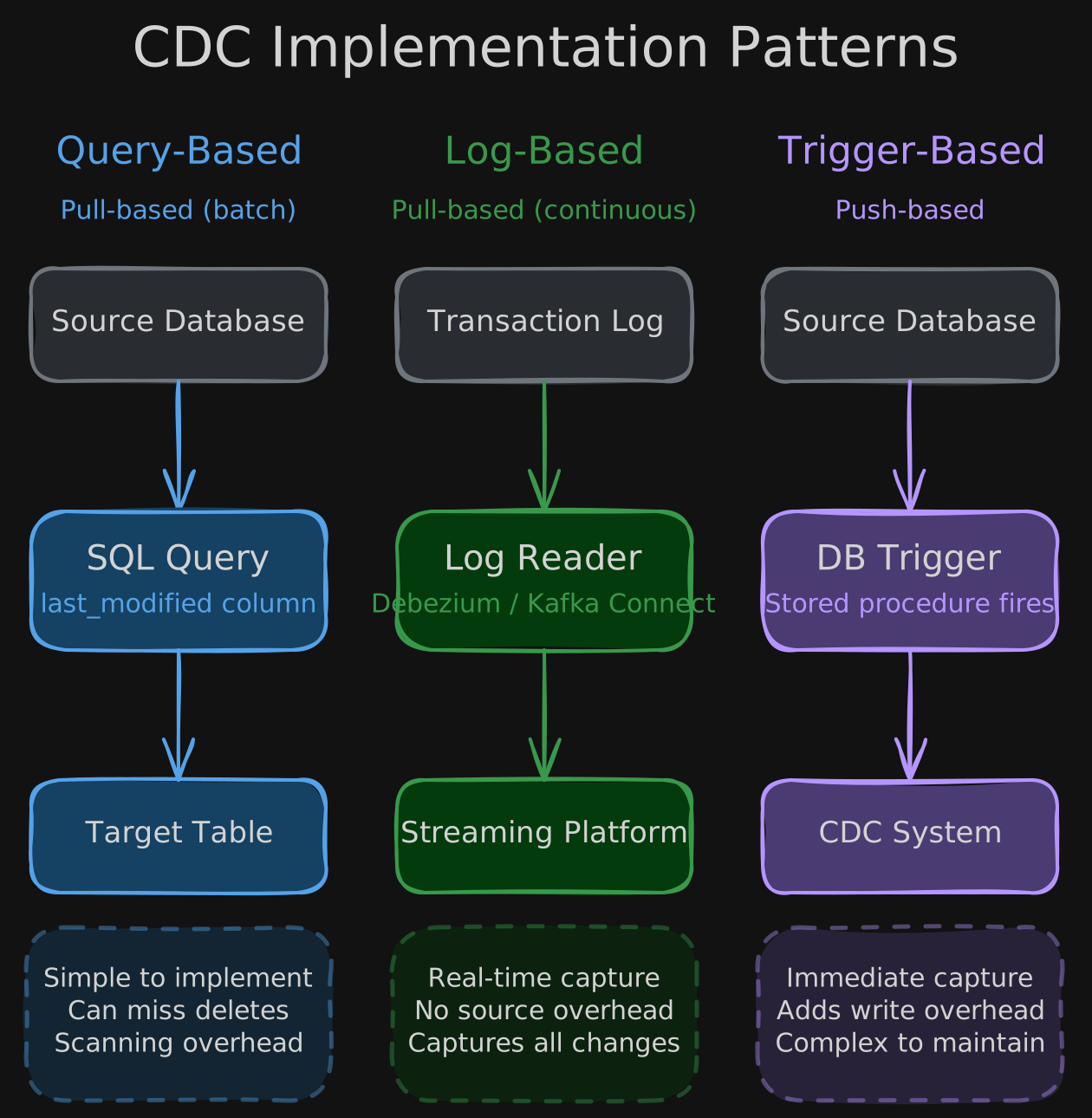
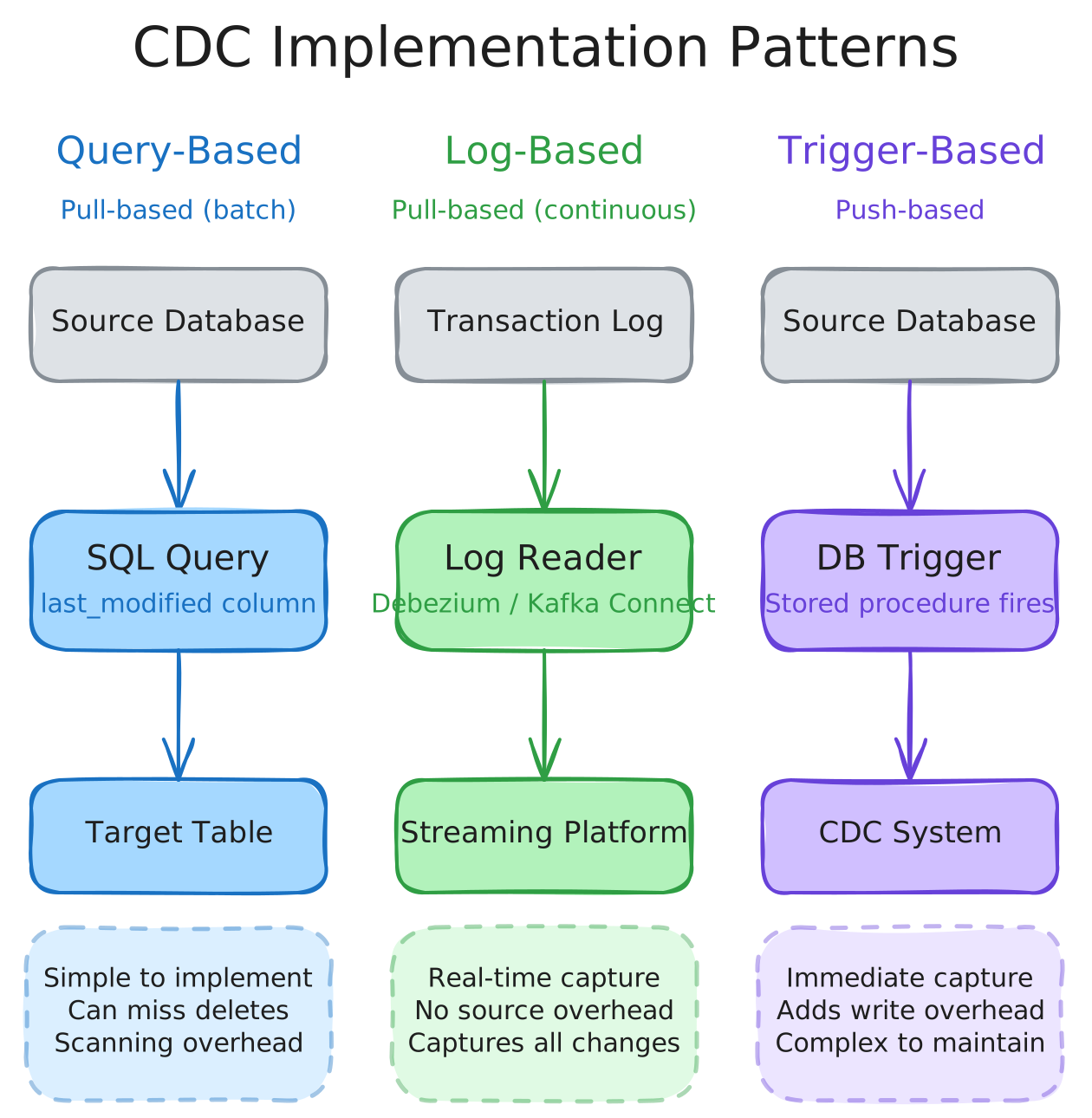
CDC can be implemented using either a push or pull model, each with different latency characteristics.
Push: Logic in the source database captures changes and pushes them to the target system in near-real-time.
Pull: The target system continuously polls the source database for changes and pulls updates when they occur. Batching before pull requests can introduce lag.
CDC Implementation Patterns
- Batch-oriented / Query-based CDC (pull-based): Queries the database for changes based on a
last_modifiedcolumn, then updates the target table. Can be slow since it requires scanning rows. - Continuous / Log-based CDC (pull-based): Reads the database’s transaction log (where every create, update, and delete is recorded for failure recovery). Changes are sent to a streaming platform like
Apache Kafkausing tools such asDebezium. Advantages include real-time capture, no computational overhead on the source, and no need for extra columns. - Trigger-based CDC (push-based): A stored function configured to fire when a specific column changes, pushing updates to the CDC system. The downside is that too many triggers can degrade write performance on the source database.
CDC Tools:
DebeziumAWS DMSKafkaConnect APIAirbytelog-based CDC
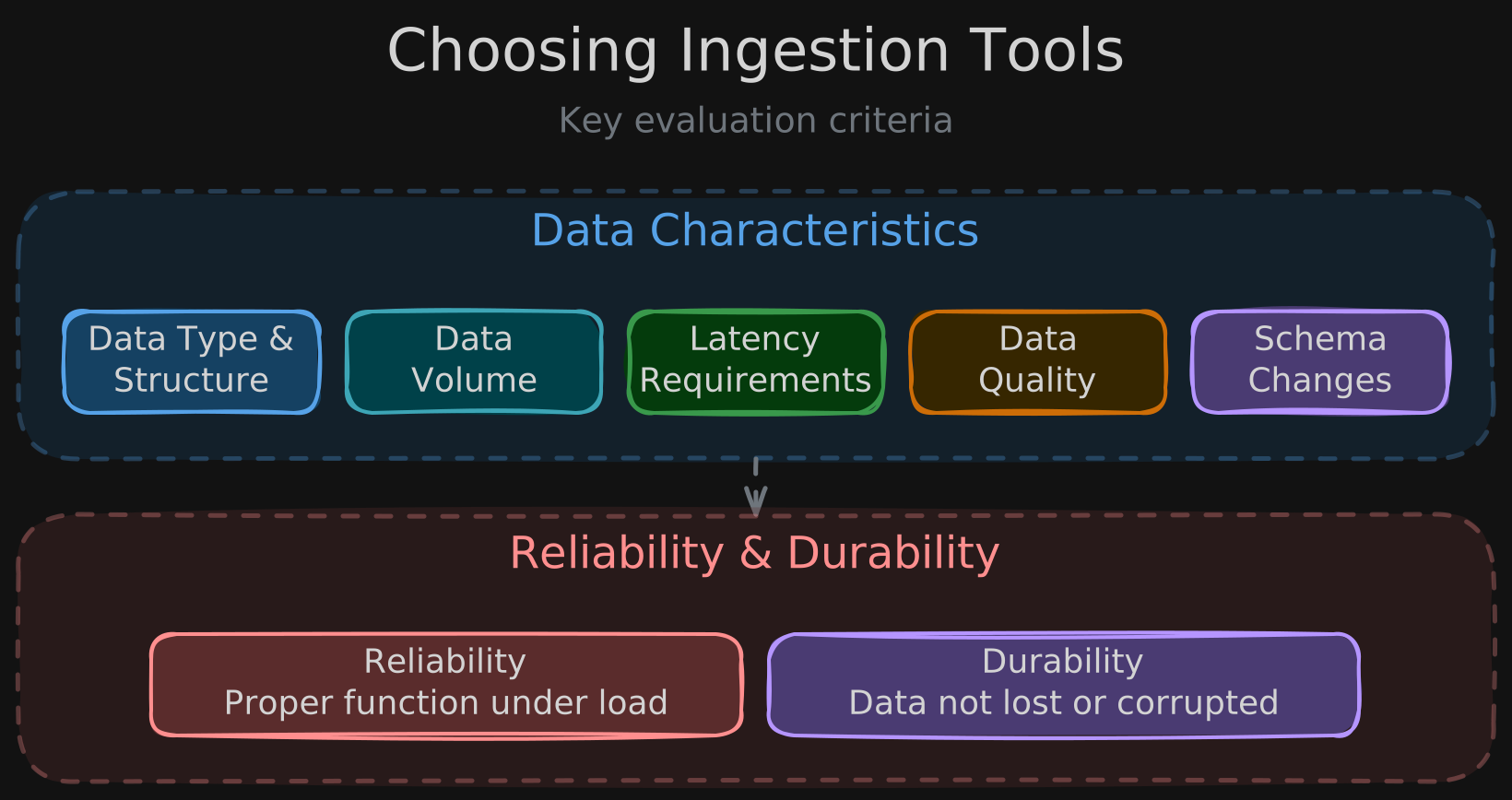
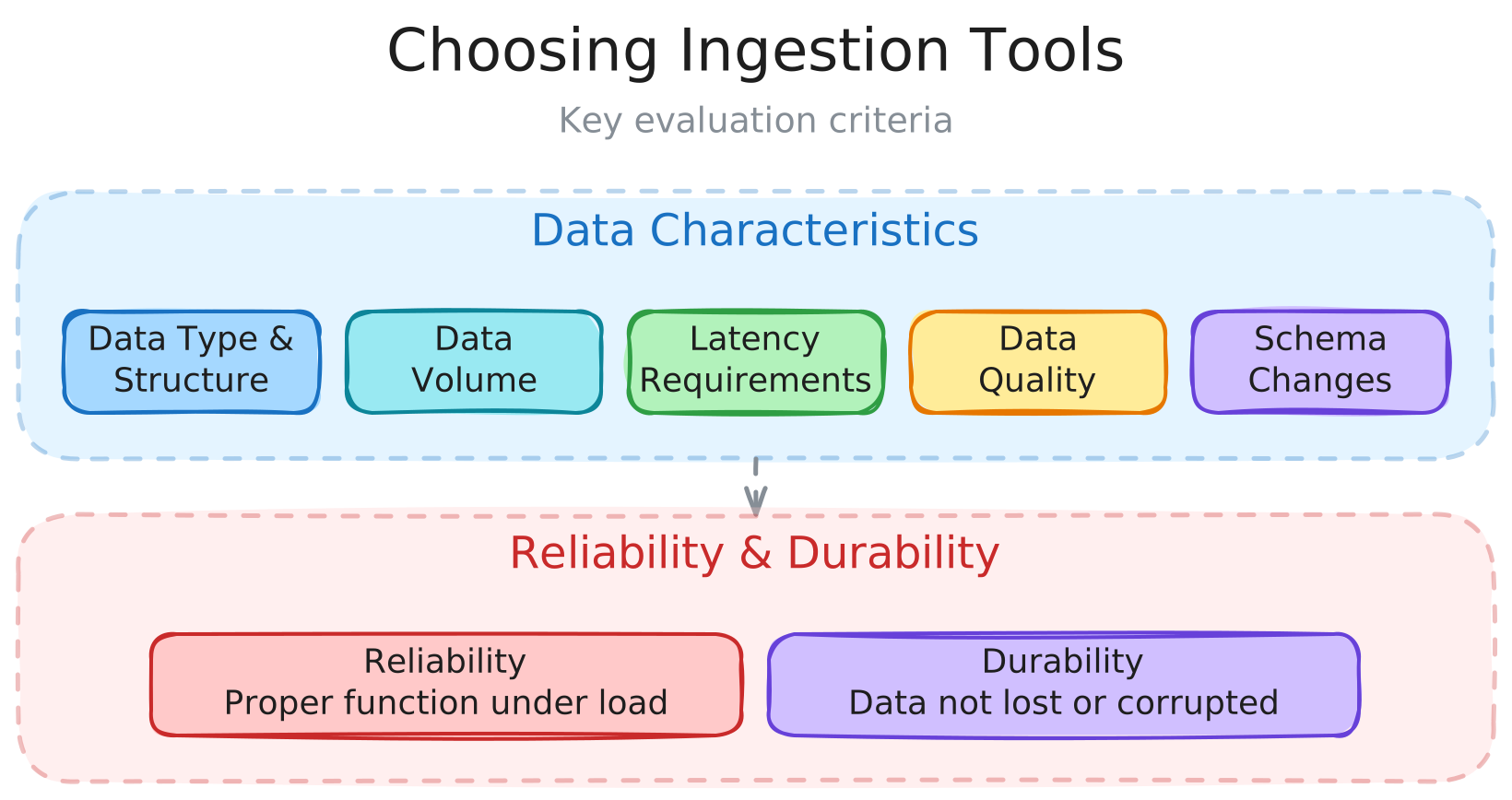
2.4.3 General Considerations for Choosing Ingestion Tools
Selecting the right ingestion tool requires evaluating both the data characteristics and your reliability requirements.
Characteristics of the Data
- Data Type and Structure: Structured, unstructured, or semi-structured.
- Data Volume: Consider payload size, network bandwidth constraints, and whether you need to split data into smaller sections. For streaming, ensure the tool handles your maximum expected message size (e.g.,
Kinesissupports 1 MB per message;Kafkadefaults to 1 MB but can be configured to 20 MB+). Also consider whether data volume will grow over time. - Latency Requirements: How fast and how often do you need to operate on the data?
- Data Quality: Does the data need post-processing before downstream use?
- Changes in Schema: If schema changes are expected (new columns, type changes, renames), use tools that automatically detect schema changes. Maintain good communication with upstream stakeholders.
Reliability and Durability
Reliability means ingestion systems perform their intended function properly. Durability means data isn’t lost or corrupted. Evaluate the tradeoffs between the cost of losing data versus building an appropriate level of redundancy.