4.1 Serving Data and Analytics
4.1.1 Serving Data for Analytics and ML
The final stage of the data engineering lifecycle is serving - delivering processed data to downstream consumers for analytics and machine learning.
Analytical Use Cases
| Use Case | Description |
|---|---|
| Business Intelligence | Dashboards and reports for strategic decision-making |
| Operational Analytics | Monitoring data to inform immediate action, served within required latency constraints |
| Embedded Analytics | Client-facing data products or dashboards |
Machine Learning Use Cases
The primary end users are data scientists and ML engineers. The data engineer’s role is to acquire, transform, and deliver the data necessary for model training.
Ways to Serve Data
| Method | Description |
|---|---|
| Table | Physical storage of data - queries read directly from disk/memory |
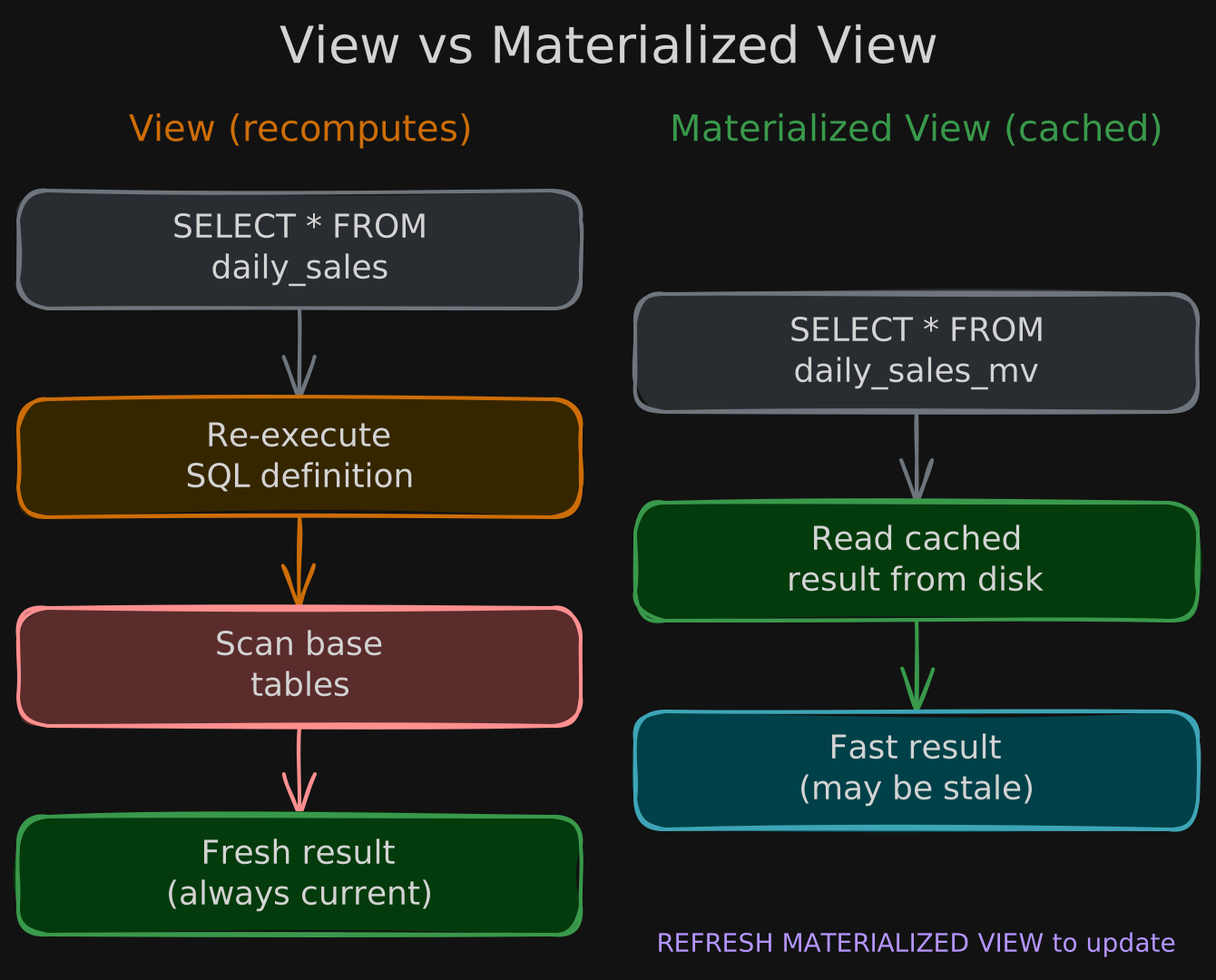
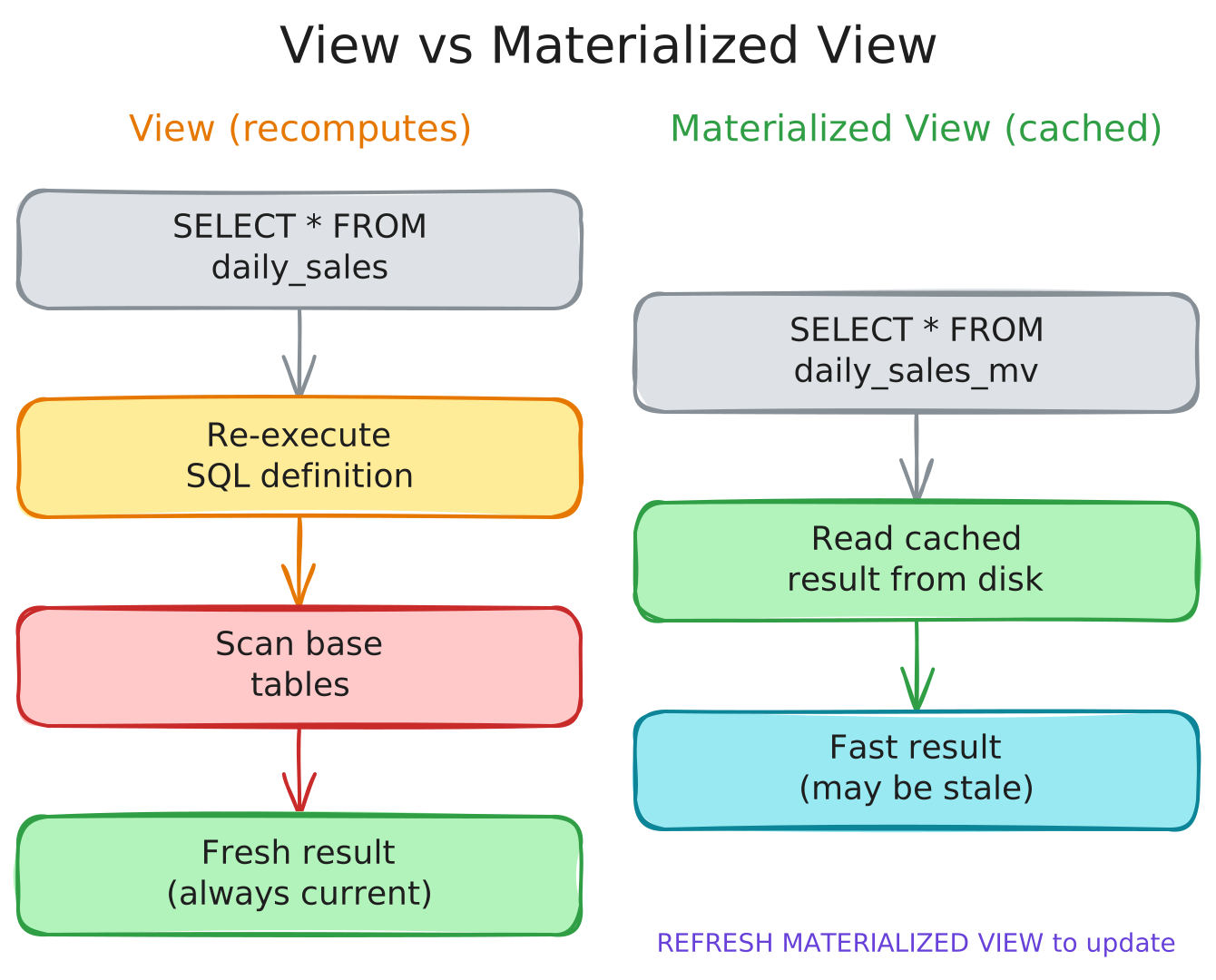
| View | A saved SQL query that runs on demand - always returns fresh results but recomputes every time |
| Materialized View | A pre-computed snapshot of a query result stored physically - fast reads but requires periodic refresh |
How Data Scientists Accept Data
| Delivery Method | Details |
|---|---|
| As files | Text files for language modeling, Parquet/CSV for tabular ML, image formats for computer vision - common for ad hoc requests |
| From databases / warehouses | Access via SQL queries with schema enforcement, fine-grained permissions, and high query performance |
| From streaming systems | Real-time data delivery for low-latency analytics across both historical and current data |
Semantic Layer
A semantic layer documents definitions, derives business metrics, and creates a common language for data across the organization. It ensures correctness, consistency, and trustworthiness through clear data definitions (column names) and data logic (formulas for deriving metrics).
4.1.2 Views and Materialized Views
| Property | View | Materialized View |
|---|---|---|
| Storage | No physical storage - query runs on demand | Pre-computed result stored on disk |
| Freshness | Always up-to-date (recomputes on every query) | Stale until refreshed (manual or scheduled) |
| Performance | Slower for complex queries (recomputes each time) | Fast reads - serves pre-computed results |
| Use case | Simple transformations, access control layers | Expensive aggregations queried frequently |
| Maintenance | None - just a saved SQL definition | Requires refresh strategy (incremental or full) |
-- Create a view: recomputes on every query
CREATE VIEW daily_sales AS
SELECT order_date, SUM(amount) AS total
FROM fact_orders
GROUP BY order_date;

-- Create a materialized view: pre-computed, needs refresh
CREATE MATERIALIZED VIEW daily_sales_mv AS
SELECT order_date, SUM(amount) AS total
FROM fact_orders
GROUP BY order_date;

-- Refresh the materialized view when underlying data changes
REFRESH MATERIALIZED VIEW daily_sales_mv;